We, Voices of Youth, are for the cyberbullied people, who stands against cyberbullying, and wants to use our voice as a tool for awareness with this social issue.
Voices of Youth, is unlike any other anti-cyberbullying organizations because we are diverse, unique, positive, passionate, and powerful in influencing and educating other people through the use of various social medias such as Facebook, Twitter, and etc.
Cyberbullying

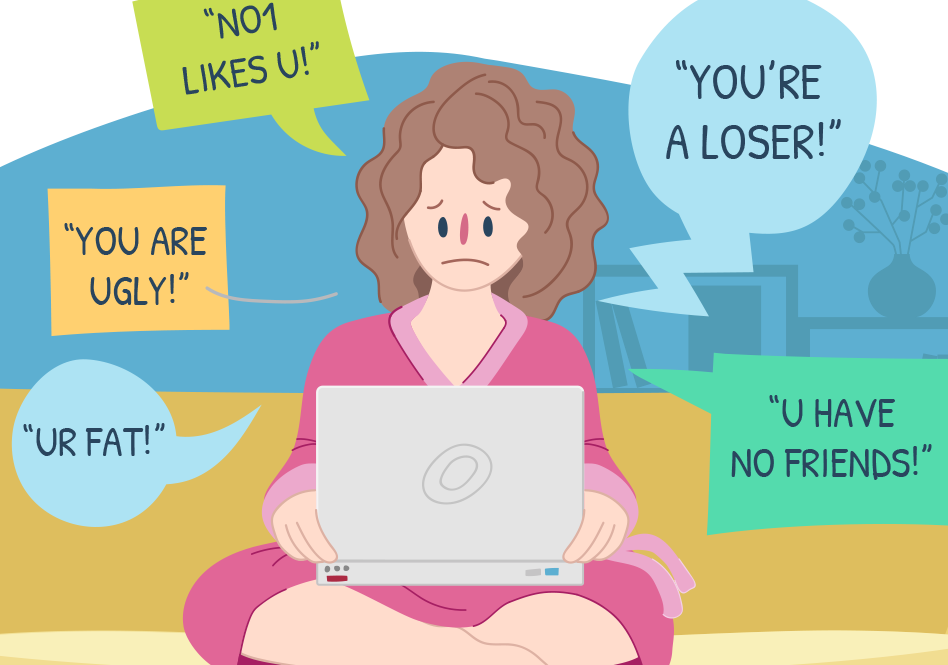
Bullying is already a major problem in our society today. When it reaches to the internet, then it becomes cyberbullying and it ends up affecting more people. When cyberbullying reaches the internet, numerous amounts of people are able to read it. Cyberbullying can occur at anytime and it allows people to harass each other which could even end up in people harming themselves. Also, you have to include the other emotions people feel when they get cyberbullied such as feeling depressed and empty because of the harassment they receive. They also feel hopeless as if there is no one they can talk to or feeling of hopelessness because you lost the feelings of friendship.
SOLUTIONS TO CYBERBULLYING
1. Understand the Scope
Many adults believe social media sites are the likely stages for the bullying behaviors, and they’re right. But, with 73% of teens now using smartphones, there’s a greater scope of potential harm. Bullying can occur on Facebook, Twitter and Instagram, or through Snapchat, emails and texts coming directly from bullies. And since these phones never far from teen hands, the harassment can become almost constant. With technology changing so rapidly, it’s important for parents to always monitor their children’s mobile devices and their online behavior to get ahead of any potential threats.
2. Hold Bullies Accountable
A team of researchers at Clemson University is developing an app that scans photos, videos and social media data to recognize signs of bullying. If bullying is detected, the app alerts the victim, their parents, school administrators and even the perpetrator, in effect providing total visibility to stop bullying in its tracks. Even without an app ready to go, parents should be holding bullies accountable by alerting school officials and the bullies’ parents. Bullies need to understand that their actions have consequences, and everyone deserves to live without fear. Armed with data and actionable solutions, however, parents and teens can help turn the tide against bad online behavior.
STATISTICS

According to Cyber bullying statistics from the i-SAFE foundation:
•Over half of adolescents and teens have been bullied online, and about the same number have engaged in cyber bullying. •More than 1 in 3 young people have experienced cyber-threats online.
•Over 25 percent of adolescents and teens have been bullied repeatedly through their cell phones or the Internet. •Over 25 percent of adolescents and teens have been bullied repeatedly through their cell phones or the Internet.
According to the Harford County Examiner cyber bullying statistics:
•Around half of teens have been the victims of cyber bullying
•Fewer than 1 in 5 cyber bullying incidents are reported to law enforcement
•1 in 10 adolescents or teens have had embarrassing or damaging pictures taken of themselves without their permission, often using cell phone cameras
•About 1 in 5 teens have posted or sent sexually suggestive or nude pictures of themselves to othersGirls are somewhat more likely than boys to be involved in cyber bullying
WHAT HAS BEEN DONE SO FAR?
In Canada, a recent bill was introduced that makes it illegal to distribute images of a person without their consent, and allows police to obtain a warrant for information about Internet users based on reasonable grounds to suspect, an offense has been perpetrated. The bill isn’t perfect, but it could become a road map for future legislation keeping kids safe on the Internet. Meanwhile, in the US, laws vary by state, so it’s important to understand your rights and escalate things to the proper authorities if they become out of hand.
WHY IS THE VOICE OF YOUTH BETTER?
•We review policies related to cyberbullying, and offering recommendations for improvements
•We talk and spread awareness through social media
•We include training of students named Safe School Ambassadors Program, an effective way to equip students with the skills to prevent and stop cyberbullying, and other forms of peer mistreatment and violence
•We deliver parent education workshops that increase their awareness of the problem and signs of cyberbullying and other forms of mistreatment.
THINGS YOU CAN DO TO HELP

Help your friends better understand what cyberbullying is by initiating a conversation. Ask a couple of thought-provoking questions, share experiences, and try to get your friends and acquaintances as involved as possible. As they answer questions, discuss, and ask questions they will come to the conclusion themselves about the dangers of cyberbullying. This conversations should help students understand the consequences of cyberbullying. Online interactions remove a feeling of responsibility; making us prone to do or say things that we never would in person. However, if students are educated about the dangers of cyberbullying, they can cultivate an “online conscience.” Empower your students by helping them realize the influence that their words and actions can have on others, and the responsibility that they have to use it for good.R
References:
“Issue of Cyberbullying Today.” UKEssays.com. 11 2018. All Answers Ltd. 03 2019 <https://www.ukessays.com/essays/general-studies/issue-cyberbullying-8570.php?vref=1>.
https://usa.kaspersky.com/resource-center/preemptive-safety/top-10-ways-to-stop-cyberbullying
http://www.bullyingstatistics.org/content/cyber-bullying-statistics.html
 A Blog